Plant shade before you need it
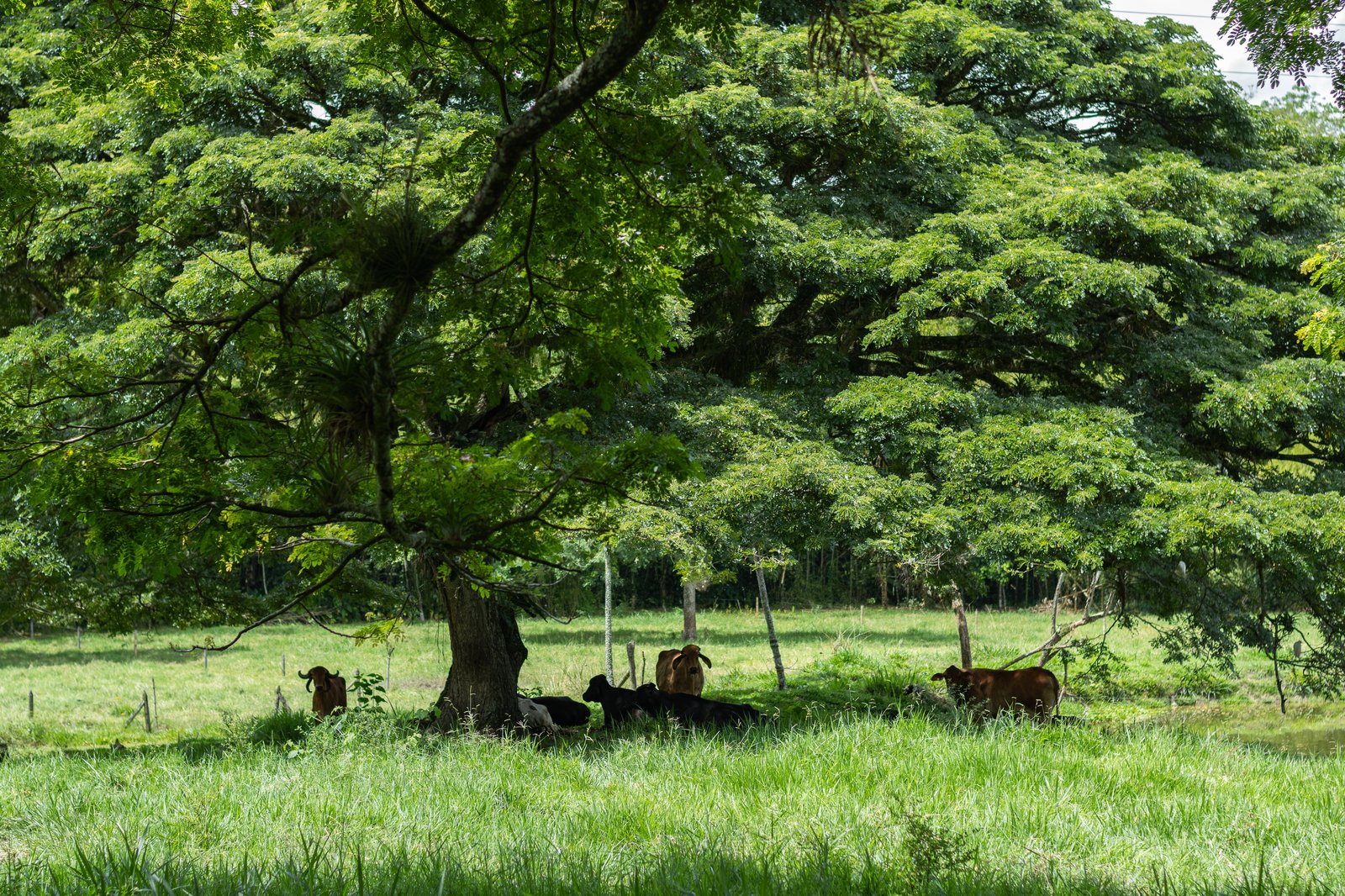
High summer across New Zealand punishes open paddocks and bare yards. Stock cluster under the single tree; garden beds go from lush to stressed in a fortnight without mulch and shelter. Shade is infrastructure — for animals, people, and the plants that feed both.
Silvopasture integrates trees, grass, and grazing internationally; the same principle scales to a feijoa hedge on a hot boundary, a deciduous grape on a pergola, or a native shelter belt on the western aspect. Plant in spring while soil moisture supports establishment; protect from stock the same day.
Read the animals
Cattle standing in troughs, sheep panting at rest, poultry hiding under trailers — heat stress shows before dramatic losses. Planned shade beats emergency shade cloth every time.
Read the garden
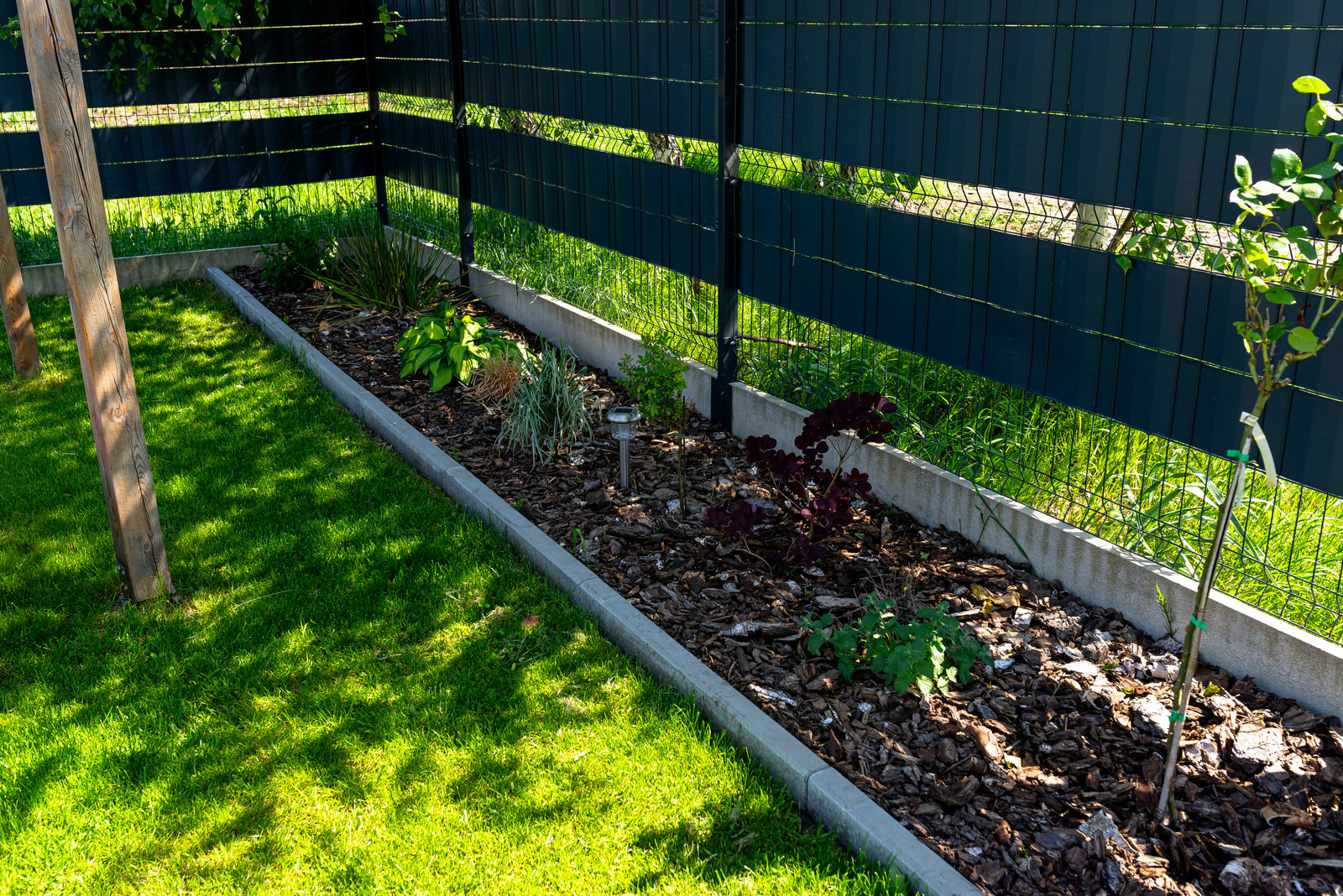
Bare soil in January radiates heat. Mulch, paths that are not dark asphalt, and overhead leaf reduce load on roots and gardeners alike.
Shade checklist before summer
-
Map hot corners at noon
Paddock corners, yards, west-facing beds. Those are first planting sites — not the scenic view line only.
-
Choose for speed and permanence
Willow and poplar for quick fodder and erosion control; totara, casuarina, or fruit for long-term shelter — many blocks need both.
-
Keep light for grass where needed
Wide row spacing maintains pasture under canopy. Home gardens: umbrella shape, not tunnel.
-
Protect before planting
Guards or electric offset ready before the first sapling goes in.
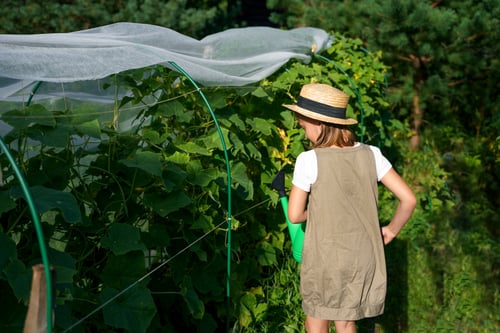
Temporary shade cloth still has a place for tender seedlings in heatwaves — but permanent structure should carry most of the load by year three. Enter summer with mulch down, irrigation audited, and at least one new shade site planted this spring.
Edible LandscapesYou cannot hose your way out of a landscape that was designed for winter comfort only.